



Take our Quick, Free Online Hearing test
Our hearing and vision together are fundamental to how we experience the world around us. It’s never too late to make smart changes to the way you live, so you hear more, see more and do more for longer.
Take our online hearing test to assess your hearing from home. With immediate and discreet results from the comfort of your sofa.
Take our FREE Online Hearing Test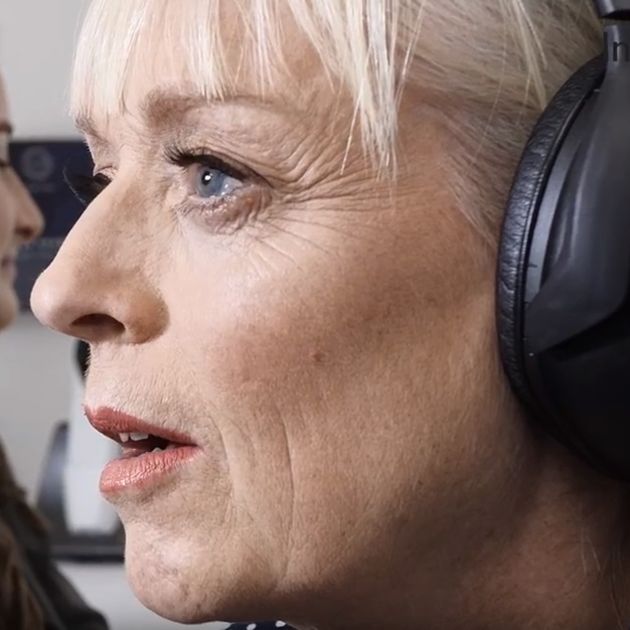
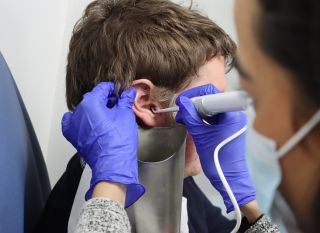
What is a Hearing Health Check?
If you're unsure of what to expect in a Hearing Health Check, this video will help to clarify each step.
Listen as our Audiologist Charlotte explains all.
WATCH HERE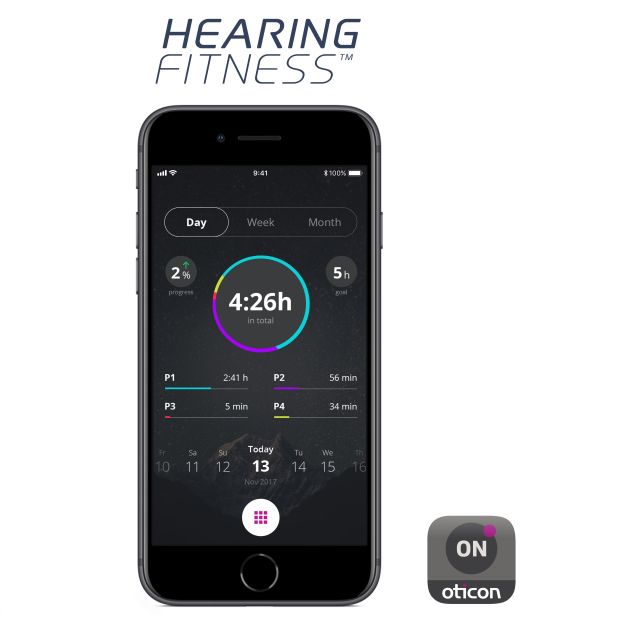
Can your ears keep fit?
These days, we’re used to fitness trackers like Fitbits and Apple Watches on our wrists. They carefully count our steps, gently nudge us to stay active throughout the day and help us to live a healthier lifestyle. But imagine an equally helpful app for our hearing?
FIND OUT MORE